The peaceful fall season brings Halloween and many scary attractions but simulation does not need to be part of the fright! I've witnessed simulation often trigger performance anxiety from past memories of school rhetorics or fear of making mistakes in front of peers [insert my face].
And I cannot begin to describe the anxiety of the educator or facilitator; 'Is this useful and accurate? Are they going to hate it? Am I an imposter leading this? Do I have everything we need? Did I prepare for every ten million possible actions and questions that may arise?'
Take a deep breath.
Let's keep it simple and boil it down to why simulation matters, not as a 'drill' or harsh team assessment, but rather as a team walk through of processes. Teams realize improvements that will impact delays in care and accuracy of communications, key factors in morbidity and mortality. For example: surfacing nuances to obtaining blood products which typically led to errors, realizing a better option for storage location of hemorrhage carts, requesting supply purchases, elevating key communication needs, etc.
You see, you are amazing, but the simulation isn't really about YOU. So no need to be scared!
It is about the process, equipment, team communication and group understanding of how to best serve our patients. That is why simulation out performs didactic lecture and computer module outcomes. It's as close to real life as we can get which makes it great for high risk, low volume situations. Simulation is proven time and time again to increase performance, improve communication, increase clinician confidence and lower litigation. Not to mention CMS regulations and AIM bundle elements require simulation in addition to didactic education for this reason. Sports teams from little league to professionals practice frequently, so why wouldn't healthcare teams too?
The experiences can be quick shift-change 'run-through,' on-the-fly experience or scheduled session. Every exercise has value because the goal is not perfection, it is preparation. So no need to bring out the horror movies and nightmares, Nebraska will be prepared! I mean, I was a Girl Scout K-12 so if ya know ya know, we are always prepared!
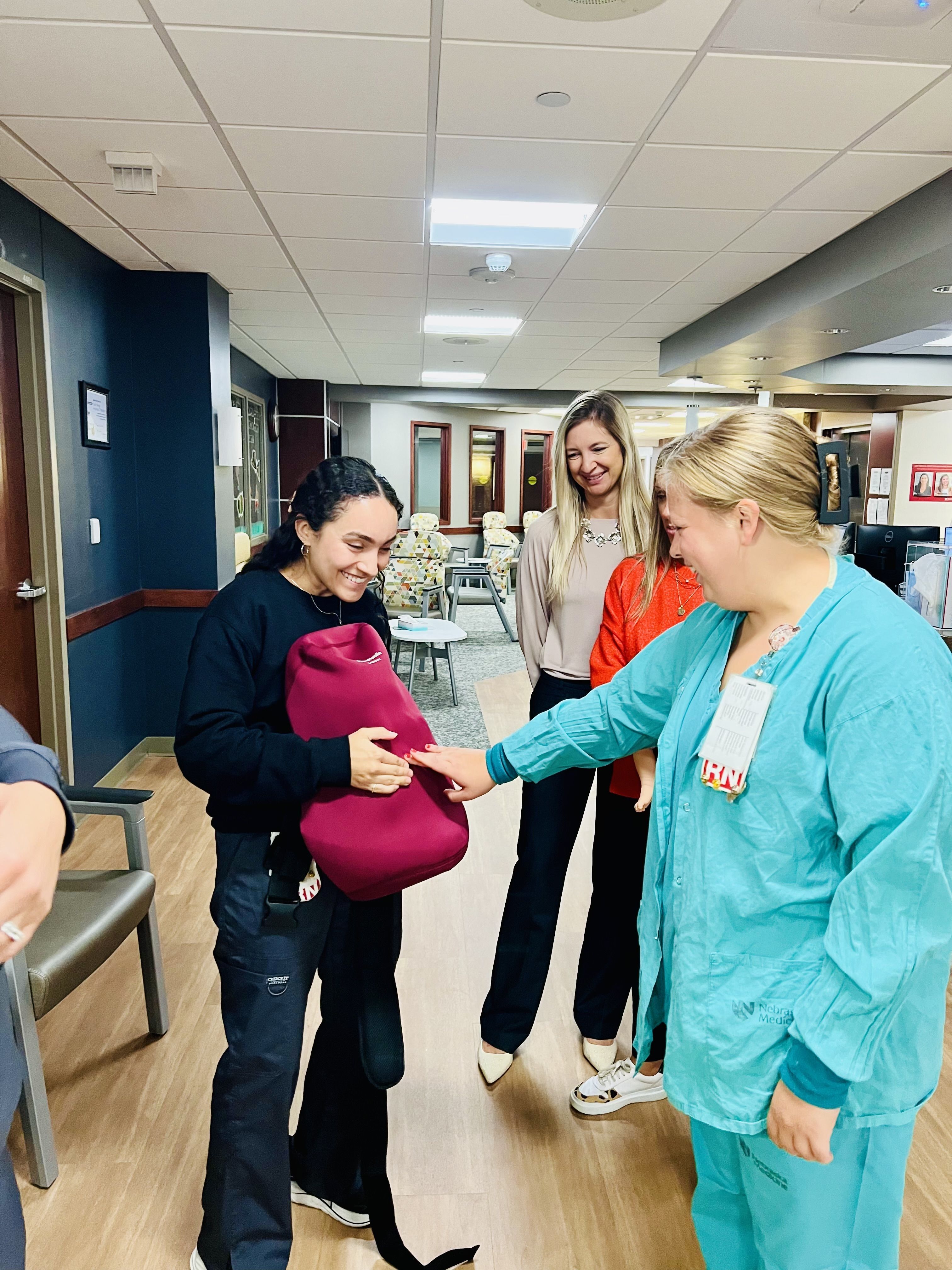
And you are not alone, the NPQIC-EdU team is available to help as you see fit by leading sessions, reviewing educational plans, meeting to coach and support, etc. For Nebraska Birthing facilities, we will be dropping off your Mama Natalie and Newborn Anne at your next onsite educational session. To support these products, NPQIC-EdU has created a Set Up and Skills Guide. NPQIC-EdU also networks with the other amazing perinatal simulation teams in our state to streamline efforts and provide support.
Learn more about NPQIC-Edu or Submit Request
For the educators, here are some simple practical tips when creating and/or facilitating simulations in this Perinatal Simulation Full Development Template. This pulls in elements of standards of simulation from INACSL. As you are more familiar with processes, perhaps the abbreviated version of Perinatal Simulation Condensed Development Template will be most useful.
However, no need to recreate the wheel as we do have some pre made scenarios by NPQIC-EdU or national resources;
- Maternal Code
- Shoulder Dystocia with Postpartum Hemorrhage
- Term Neonatal Resuscitation
- AIM Simulation and Drills for Patient Safety
- AHRQ Perinatal Clinical Case Scenarios
After all, the best simulation is not the most elaborate one, it is the one that helps your team provide safer care than they did yesterday.
YOU'VE GOT THIS!
We're here for you.


